Seven seconds. That’s roughly how long a business has to make a strong enough impression to keep someone’s attention. It sounds like very little time, and it is – but in marketing, those seven seconds are everything.
The brochure that gets picked up off the stand. The direct mail piece that gets opened rather than binned. The branded merchandise that ends up on someone’s desk for years. None of that happens by accident. It happens because someone made a deliberate decision to put quality and thought into how their brand shows up.
Why the first impression is the one that sticks
There’s a psychological principle called the primacy effect, which shows that the first thing someone experiences is also the thing they’re most likely to remember. That’s as true for marketing as it is for anything else in life.
A strong first impression builds momentum. Once a potential customer has a positive experience of your brand, they’re more likely to engage again, forgive the occasional misstep, and stay loyal over time. A weak or forgettable one, on the other hand, is difficult to recover from, because most people simply won’t give you a second chance.
Getting in first also matters more than people realise. If a competitor makes a strong impression before you do, you’ll always be measured against them. Land well first, and you set the benchmark.
How to make those seven seconds count
Know exactly who you’re talking to
Before any brief is written or any design is signed off, you need a clear picture of your audience. Where do they spend their time? What do they read? What tone of voice would make them stop and pay attention? Skipping this step is the single biggest reason marketing misses the mark.
The more specific you can be about your audience, the more targeted and effective your marketing becomes. This is as true for a door drop campaign as it is for an exhibition stand.
Keep your branding consistent across every touchpoint
Whether someone first encounters your brand on your website, your social media, or through a piece of print, the experience should feel like it comes from the same place. Consistent colours, fonts, and tone of voice ensure that every touchpoint reinforces the same message.
This matters particularly when print and digital are working alongside each other. A beautifully designed direct mail piece that looks nothing like your website creates doubt rather than confidence. When everything joins up, it builds trust.
Make your print materials do the talking
Print has an advantage that digital can’t fully replicate, it’s physical. Someone can hold it, feel it, put it on their desk. That tactile quality gives brands more room to make an impression, but it also raises the stakes. Poor quality print reflects poorly on the business behind it.
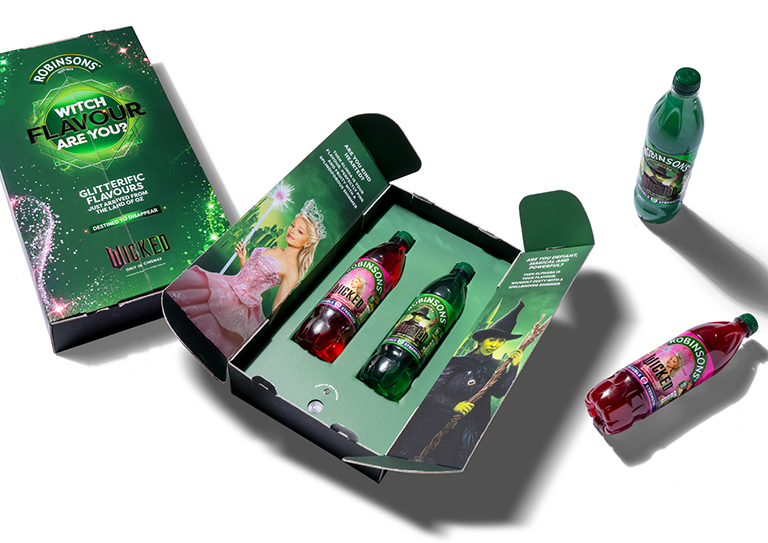
Done well, print is one of the most powerful tools in a marketing campaign. Foil stamping, die-cutting, unusual paper stocks, considered packaging — these are the details that make people take notice and, more importantly, keep hold of what they’ve been given. We’ve seen it work for clients across education, healthcare, tech and retail, and the principle is always the same. Quality and considered design make a lasting impression where generic doesn’t.
Don’t compromise on quality
Whatever medium you’re using, the quality of the output reflects directly on the quality of your business. A poorly printed brochure, a flimsy exhibition stand, or merchandise that falls apart after a week all send the wrong message, regardless of how good the design is.
The goal is to leave people with a positive impression that outlasts the moment they first encountered you. That only happens when the execution matches the ambition.