Tuesday morning and you’re chasing the print supplier for delivery updates. Wednesday afternoon finds you explaining your brand guidelines to another designer who’s never seen them before. Thursday arrives and you notice your exhibition stand is three shades darker than your brochures.
Welcome to managing suppliers, not marketing.
Most people think managing multiple suppliers is just part of the job
You need specialists, right? One company for print, another for exhibition stands, someone else for creative, and a different supplier for merchandise. More suppliers equals better results because everyone’s focused on their particular niche.
Except it doesn’t work like that when you’re the one coordinating them all.
The hidden cost nobody mentions
Take Cytel, a global software and analytics company running events worldwide. They had suppliers across different locations, existing stock sitting in an external warehouse, and fresh merchandise orders for every single event. Each campaign meant juggling multiple companies, tracking shipments across continents, and hoping everything arrived on time in the right quantities.
Their marketing team wasn’t spending time on marketing. They were spending time on logistics.
The thing about using multiple suppliers is that somebody has to manage all the connections between them. And that somebody is usually you.
Your print supplier needs the logo in a different format. Your exhibition stand designer wants the Pantone reference. Your merchandise company is using RGB values they pulled from your website. Meanwhile, you’re the only person who knows what all four suppliers are doing, so you become the communication hub for everything.
What changes when campaigns get complex
The specialist supplier model works brilliantly for single projects. One brochure? Perfect. A standalone exhibition stand? No problem.
But modern campaigns aren’t single projects anymore. Your exhibition stand needs to match your direct mail, which needs to match your merchandise, which needs to match your digital assets. Everything connects.
And that’s where the gaps appear. The colour mismatch between your stand and your brochures. The three-day delay because one supplier was waiting for files from another supplier. The brand inconsistency because five different designers each interpreted your guidelines slightly differently.
You end up spending half your week minding those gaps instead of building campaigns.
A different approach
PARI Medical’s German-based studio couldn’t always handle UK market demands. Time zones created workflow gaps. They needed reliable UK support without briefing and onboarding multiple suppliers for different projects.
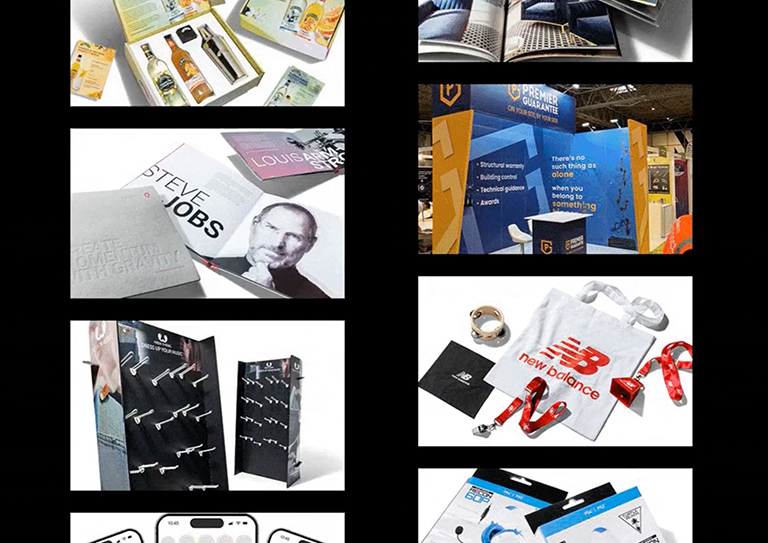
They found one partner who could handle everything from price lists to conference inserts, user guides to educational brochures. Over three years, we’ve completed 47 projects for them. Not because they love our coffee (though it’s decent), but because having one team who understands their brand means they spend less time briefing and more time on strategy.
Same with Cytel. They moved all their merchandise management to one partner. Now they log into their branded portal, see what’s in stock, order what they need, and it ships directly to any event location worldwide.
Their team can focus on creating brilliant events instead of tracking shipments across three continents.
The surprising bit
Most marketing managers who switch to working with one integrated partner don’t talk about cost savings or efficiency gains. They talk about getting their job back.
They spend Tuesday mornings planning campaigns instead of chasing updates. Wednesday afternoons developing strategy instead of briefing designers. Thursday analysing what’s working instead of dealing with colour mismatches.
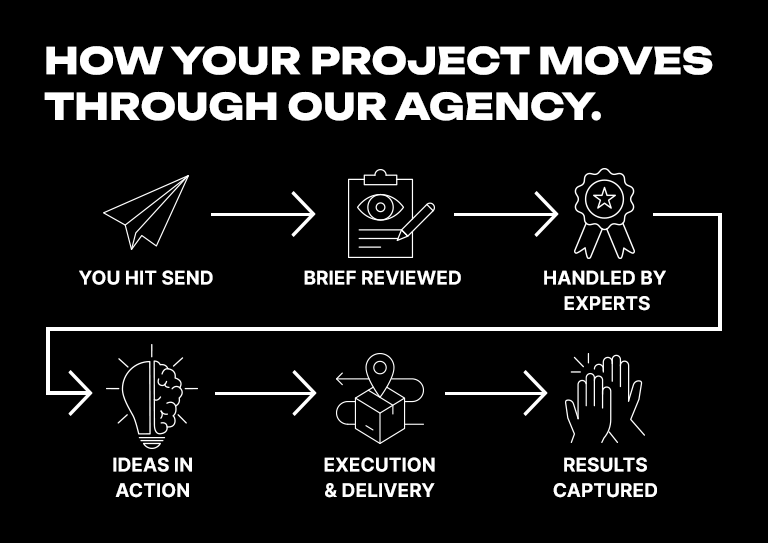
Because when one team handles your print, creative, direct mail, exhibition stands, and merchandise, all those coordination tasks happen internally. You brief once. You get consistency. You focus on marketing.
So what changes?
If you’re spending more time coordinating suppliers than developing campaigns, something needs to change. The model you’re working with wasn’t built for how complex marketing has become.
Your exhibition stand team should already know your brand guidelines because they’re the same people doing your print. Your merchandise should match perfectly because the same designers handled both. Your timeline should work because one team is managing all the moving parts.
That’s just having one partner instead of five separate suppliers.
Want to spend more time on marketing and less time managing suppliers? Let’s talk about how we handle the coordination so you don’t have to.